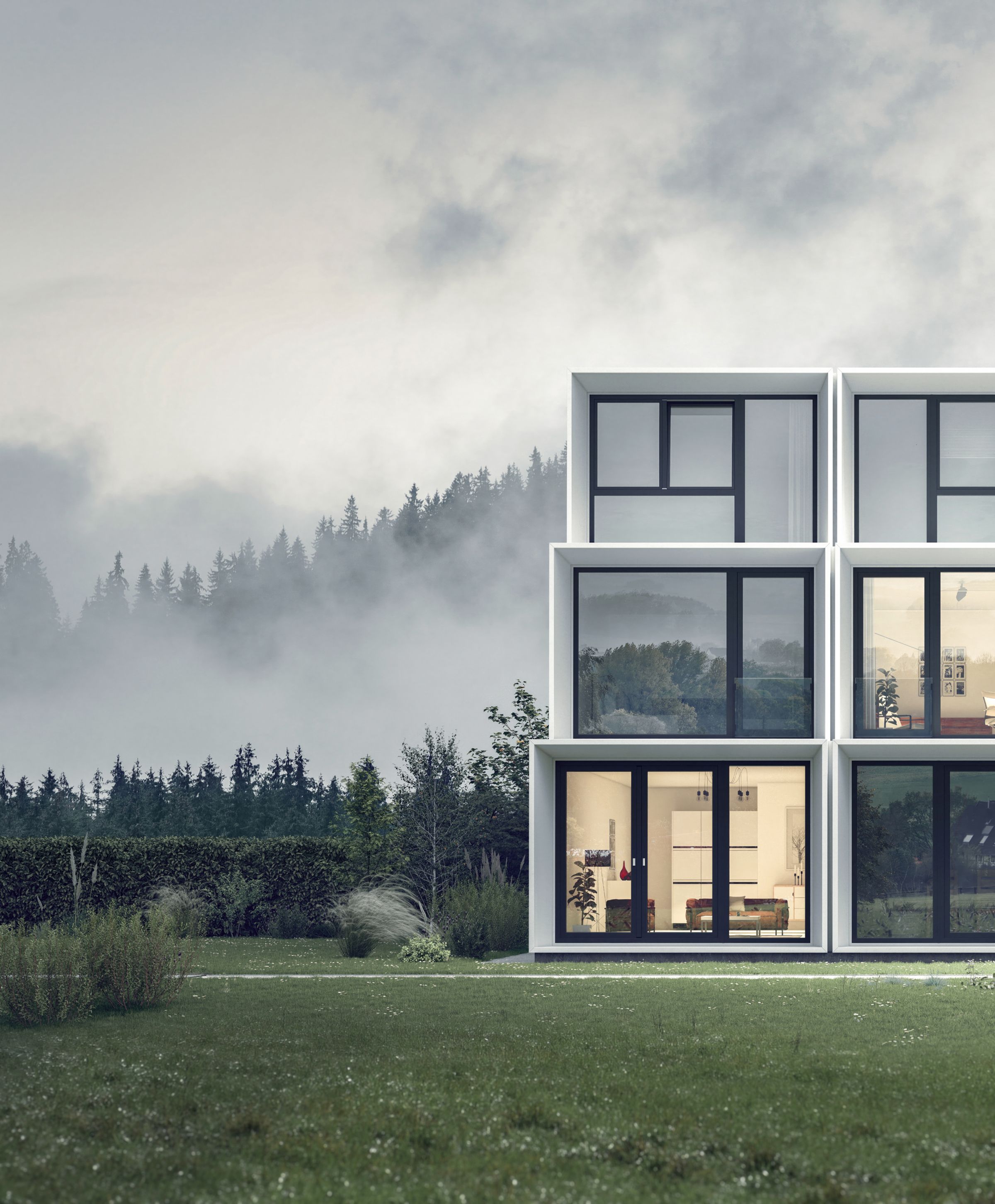
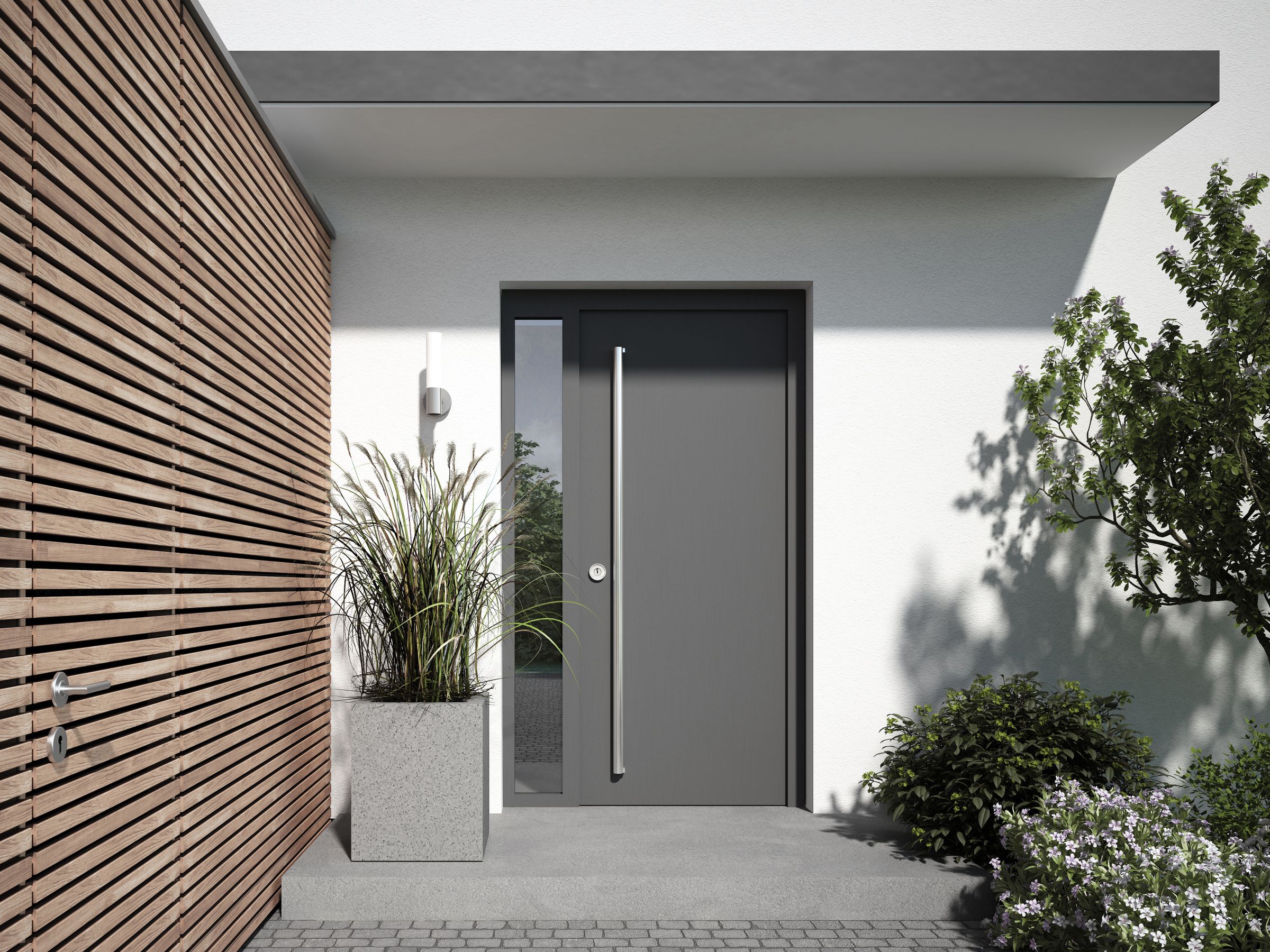
Entdecke das Potenzial und die Möglichkeiten Deiner Fenster
Fenster ist nicht gleich Fenster. Je nach Lage, Ausrichtung, Klimabedingungen, Gebäudeeigenschaften und vielen Variablen mehr benötigst Du unterschiedliche Fenstertypen. Da verliert man schnell den Überblick. Unsere myWindow_C3 fragt alle wichtigen Parameter ab und leitet Dich durch drei Ebenen. Das nennen wir das Salamander C3-Prinzip. Basierend auf den ermittelten Daten erfährst Du wissenswerte Hintergründe. Lerne die Anforderungen an Deine Fenster kennen und bekomme maßgeschneiderte Empfehlungen zu unseren Fenstersystemen.
Dank dieser individuellen Beratung findest Du das perfekte Fenster für Dein Projekt und steigerst durch die Wahl des richtigen Fenstersystems die Qualität und den Wert Deines Hauses.



German Design Award

Red Dot Winner

Top-Innovator
Salamander Produktwelt
Vision, Innovation & Qualität
Als repräsentatives Charakteristikum eines Hauses sind Fenster heutzutage mehr als nur eine Öffnung nach draußen: Ihr individuelles Design bestimmt maßgeblich die Gesamtoptik eines Gebäudes. Deshalb müssen Fenster als Teil der Außenwand längst nicht mehr nur höchsten Anforderungen an Qualität und Sicherheit gerecht werden – der Kunde von heute legt größten Wert auf Farbe, Form und Funktion.
Erkundige Dich über die von Salamander entwickelten Fenstersysteme Brügmann bluEvolution und Du wirst sehen: Diese Profilsysteme sind in nahezu allen technischen Kombinationen und Designvarianten erhältlich.